
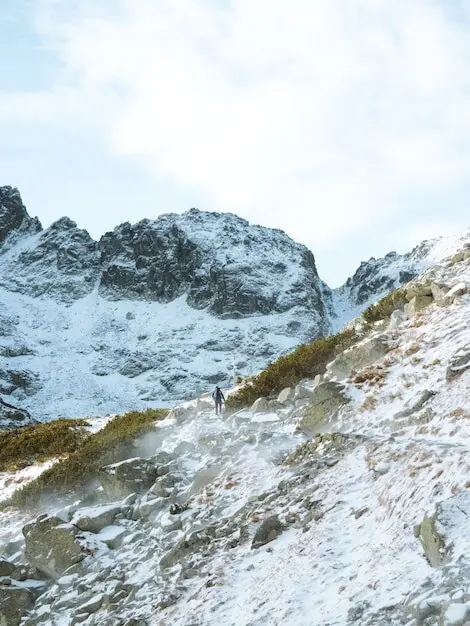
Rails, Paths, and Moorland Horizons in the Peak District

Set out by train and step directly onto unforgettable journeys as we explore multi-day rail-to-trail backpacking routes across the Peak District, linking stations like Edale, Hadfield, Matlock, Buxton, and Grindleford with converted railbeds such as the Monsal, High Peak, and Longdendale. Find practical planning advice, vivid stories from windswept gritstone edges and quiet dales, safety wisdom for fickle weather, and thoughtful stewardship guidance. Share your own station-to-station tips, questions, and route ideas to help fellow walkers craft confident, low-carbon adventures.

Planning the Perfect Rail-Linked Escape

Transform an ordinary timetable into a gateway to wild horizons by pairing reliable train access with linked paths, bridleways, and heritage rail trails. Learn how to sequence distances for comfort, factor in elevation, wind exposure, and water, and identify villages for resupply or warm cafés. We’ll balance flexibility with intention, so detours feel like discoveries, not emergencies. Bring your curiosity, a good map, and a willingness to adjust when weather and tracks surprise you.

01

Decoding the Lines: Edale, Hathersage, Matlock, Buxton, and Hadfield

Start with the Hope Valley Line for Edale, Hathersage, Bamford, and Grindleford; the Glossop and Hadfield branches for the Longdendale approach; the Derwent Valley Line for Matlock and Cromford; and the Buxton Line for limestone country. Timetables change with seasons, so verify last trains, connections, and engineering works. Aim for off-peak savings, allow generous buffers, and note station facilities. Add bus options to bridge gaps, then pin confirmed links directly into your route plan.

02

Pacing Days Across Grit and Limestone

Rail trails roll quickly underfoot, but moor tops and peat groughs slow even seasoned legs. Blend steady miles on the Monsal or High Peak with airy edges where views are your reward for patience. Plan modest first days to settle in, then stretch when confidence grows. Prioritize water access, sheltered camping or lodging, and daylight margins. A flexible daily plan keeps spirits high when storms linger or unexpected beauty invites slower wandering.

03

Start and Finish with Low-Carbon Confidence

Choose train times that reduce rushing, then anchor your itinerary around stations with frequent services and simple exits. Book flexible tickets when uncertainty looms, and download offline timetables for peace of mind. A reversible route is a gift when wind flips direction. Carry backup navigation, power for phones, and printed maps. Depart and return by rail with pride, knowing your journey treads lighter while channeling support to the communities you pass through.

Hope Valley Moorland Traverse

Thread together classic edges and friendly stations for a rewarding long weekend. Begin where the Pennine Way launches at Edale, climb onto Kinder’s dramatic plateau, drift across Derwent Edge’s tors, and descend toward villages alive with gear shops and bakeries. Stand atop Stanage at sunrise, then roll gently to Grindleford for a celebratory train. This line-linked traverse pairs wilderness character with reliable exits, creating a confident, soul-stirring journey through the heart of gritstone country.

Day One: Edale Station to Kinder’s Edges and Down to the Valley

Step off the platform into Edale’s amphitheater of hills, then follow familiar slabs toward Jacob’s Ladder or the rocky steps of Grindsbrook. Kinder’s rim delivers skylark song, peat hags, and wind-chiselled grit. Watch for steep drops in clag and strong gusts along the Downfall. Descend toward Upper Booth or the Ladybower side for structured overnighting, choosing a campsite or accommodation that respects local guidelines. Reward yourself with a warm meal and a weather check for tomorrow.

Day Two: Derwent Edge, Bamford Moor, and a Refill in Hathersage

Climb past heather to Derwent Edge, greeting Salt Cellar and Wheel Stones like old friends. The ridge undulates with endless views over reservoirs and forest. Drop toward Bamford for water and snacks, then continue along airy paths toward Hathersage’s welcoming shops, bakery smells, and gear stores. Settle at a campsite or lodging nearby, perhaps beneath pines at North Lees. Share route highlights over dinner, and note escape options in case weather writes a different third act.

Day Three: Dawn on Stanage, North Lees Pines, and Grindleford Farewell

Rise early for Stanage Edge when the wind hushes and orange light kisses millstone grit. Listen for crows and the distant whistle of a train that will carry you home. Follow easy paths along the escarpment, then descend via Padley Gorge’s moss and water music toward Grindleford’s platform. Coffee and cake taste better with tired legs and clear memories. Post a quick note to fellow walkers with lessons learned, favorite views, and what you would tweak next time.

High Peak and Monsal Heritage Link-Up

Walk the living history of British rail engineering while floating across limestone plateaus and soaring viaducts. From Cromford’s industrial heritage to Parsley Hay’s windswept junction and the tunnels of the Monsal, this link-up favors smooth surfaces, roomy horizons, and frequent picnic spots. Campsites and hostels dot the corridor, with easy detours for supplies. Finish near Buxton or head toward Grindleford by footpaths, celebrating how rails reborn as trails unlock multi-day possibilities without a car key in sight.
Step off at Cromford and let the canal lead your warm-up past old stonework and whispering water. Join the High Peak Trail near Black Rocks, where history shares space with skylines. The gentle grade invites conversation, perfect for easing into backpack rhythm. Explore short spurs to viewpoints or the National Stone Centre, then settle at a nearby campsite or accommodation. Study weather for the heights tomorrow, pack extra layers for cool evenings, and enjoy a quiet sky full of stars.
Roll across breezy trackbeds where locomotives once hauled limestone, now traded for bicycles, walkers, and birdsong. Wayfinding is straightforward, yet the scale impresses as cuttings open into big Derbyshire skies. Manage water carefully, replenishing at marked taps or cafés. At Parsley Hay, choose whether to sample the Tissington connection or press toward the Monsal. Book your next night early in peak season, then stretch weary calves during sunset as curlews stitch silver threads across the quiet.

Longdendale to Bleaklow Wild Horizons

Begin at Hadfield and follow a string of reservoirs along the Longdendale Trail, then leave rails for moorland solitude across Bleaklow’s haunting plateau. This route balances accessible trackbed miles with true wilderness character, demanding careful navigation, stout footwear, and respect for peatland restoration. Aircraft wreck sites invite quiet reflection. Finish via Glossop’s edges or connect onward toward Kinder country. Plan thoughtfully, carry strong lighting, and let the stillness change how you measure distance and success.

Gear, Safety, and Seasonality on Grit and Limestone

Mixed surfaces define these journeys: rail-trail hardpack, rocky edges, spongey peat, and polished limestone. Pack footwear that balances cushioning with grip, and a shelter plan that respects local rules. Expect rapid weather swings; navigation must not depend on battery alone. Filter water, carry warm layers even in July, and protect ankles on cobbled packhorse ways. Build contingencies for missed trains, high winds, and low cloud, turning potential stress into practiced calm through preparation and patience.

Access, Overnighting, and Leaving No Trace

Great journeys protect the places that make them possible. In the Peak District, respect open access land and rights of way, close gates carefully, leash dogs near livestock and nesting birds, and step around restoration work. Overnighting should favor campsites, hostels, and permitted options; if emergencies force a bivy, remain discreet, minimal, and early-to-late. Carry out all waste, skip fires, and give wildlife the quiet it needs. Your example encourages stewardship among everyone sharing the path.

Know Your Rights of Way and Open Access

Study maps to understand footpaths, bridleways, and access land boundaries under the Countryside and Rights of Way Act. Stick to paths across fragile moorland, especially during restoration projects. Spring sees ground-nesting birds; keep distance and control dogs. Respect signage, temporary diversions, and volunteer wardens. When in doubt, ask locals—they are generous navigators. A mindful line on the ground today ensures tomorrow’s walkers inherit wild, living landscapes instead of eroded scars and closed gates.

Overnight Choices: Campsites, Hostels, and Discreet Bivies

Prioritize official campsites like valley bases and sheltered woodland pitches, or choose hostels that welcome muddy boots and tired smiles. Wild camping without permission is generally not allowed here; where emergencies demand a bivy, stay high, invisible, late-to-arrive, early-to-leave, and utterly leave no trace. Never light fires on peat, minimize light and noise, and move on after one night. Share responsible options in comments so newcomers learn positive habits before their first big weekend.

Support Local, Share Kindly, and Stay Curious
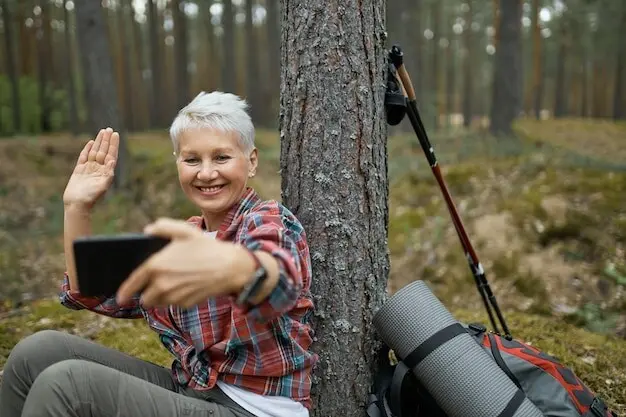
Spend in village shops, cafés, and bakeries; thank bus drivers and station staff; and wave to farmers whose fields carry your boots. Post route notes that highlight stewardship wins and flag temporary closures without shaming. Invite questions from new walkers, offer GPX files, and celebrate rail-to-trail ingenuity. Subscribe for future itineraries, then tell us which station you would start from next. Good journeys multiply when shared with warmth, respect, and an appetite for learning together.
Kentodexolivoloronovi
Privacy Overview

This website uses cookies so that we can provide you with the best user experience possible. Cookie information is stored in your browser and performs functions such as recognising you when you return to our website and helping our team to understand which sections of the website you find most interesting and useful.